
The Arts Belong in Education
13 October 2026

Written by Dulcie Fenton
When we look back to our school days, I’m sure most of us can remember a moment involving the arts. Perhaps you were the lead in the school musical, picked up an instrument for the first time, created an art project you were particularly proud of, or simply had a creative teacher who made you see a subject, or yourself, differently.
For some of us, those moments may have seemed small at the time. But access to the arts can shape how we experience school, how we connect with other people and how we understand ourselves and the world around us.
For young people in school today, however, those opportunities are becoming harder to find. This matters, not because every young person needs to become an artist, actor, dancer or musician, but because every young person deserves the opportunity to experience creativity as part of a broad and enriching education.
Why do we need the Arts in Schools?
The value of arts education goes far beyond learning how to paint, play an instrument, dance or perform. Research consistently shows that young people who engage with culture and the arts can benefit academically and personally. Arts education can support reading skills, creative and critical thinking, collaboration and problem solving, while also being associated with improved attendance, resilience, perseverance and classroom behaviour.
There is significant evidence linking participation in the arts with greater compassion, social tolerance, civic engagement and respectful attitudes towards diversity. The recent Curriculum and Assessment Review, led by Professor Becky Francis, also highlighted the importance of ensuring that the curriculum reflects the “diversity that makes up our modern society”. At a time when young people are growing up in an increasingly diverse and interconnected society, these are not just desirable qualities, they are essential ones.
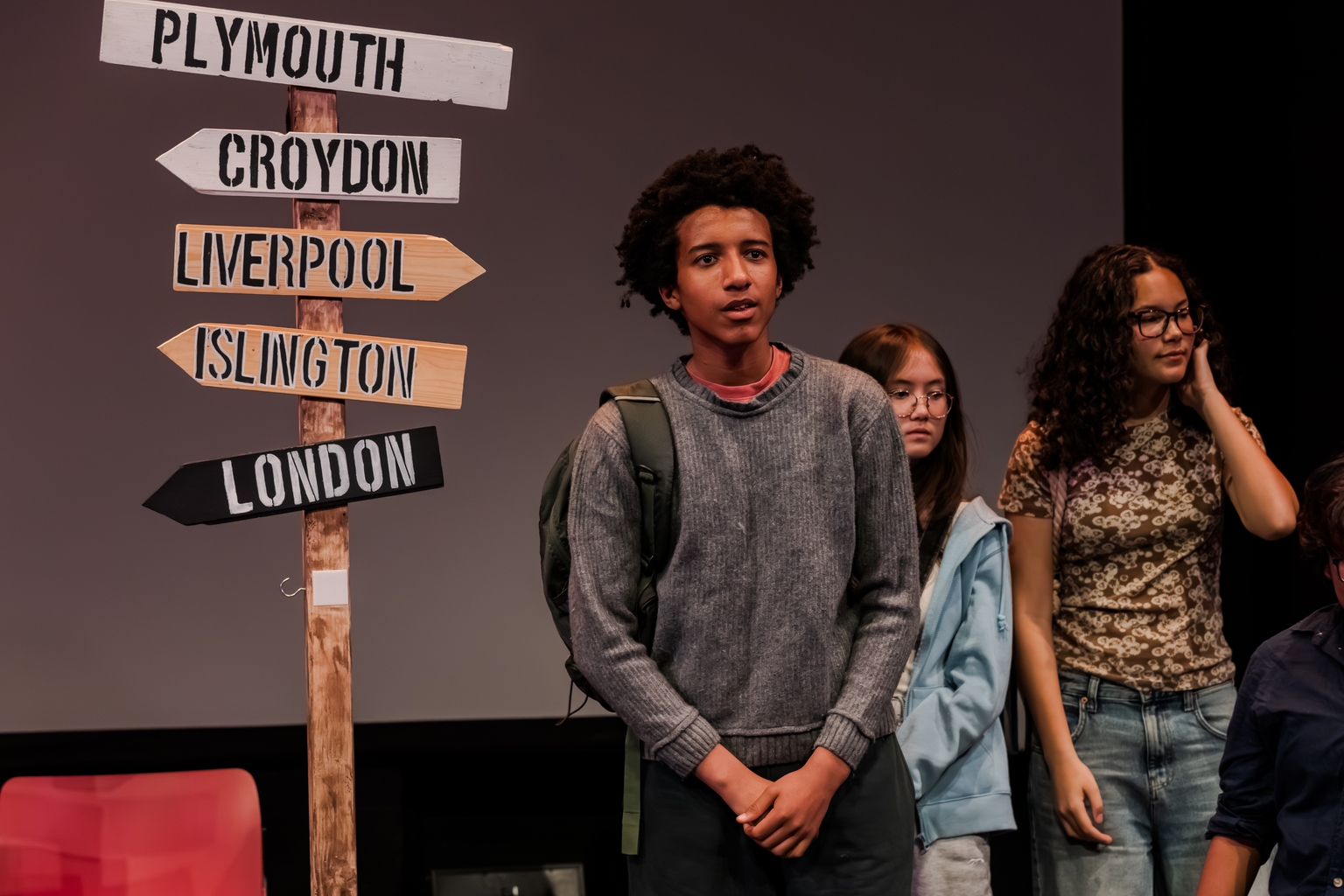
Whether stepping into a character's shoes, creating something collaboratively or simply encountering experiences different from our own, the arts encourage young people to look beyond themselves. They can foster empathy, compassion, social tolerance and respect for difference.
There is also a strong argument for arts education as a tool for widening opportunity. Research indicates that young people from lower socioeconomic backgrounds who engage with the arts can experience higher academic performance, graduation rates and motivation to continue into further education. One study found that students from low income families who participate in arts activities at school are three times more likely to go on to gain a degree.
What is happening to the Arts in Schools?
Despite the many benefits of arts education, access to the arts in English state-funded secondary schools has been steadily shrinking. Recent analysis by the Campaign for the Arts found that, since 2011, the number of hours dedicated to arts teaching has fallen by 23%. Since 2010, the share of GCSE entries in arts subjects has fallen by 48%, while A-level entries have fallen by 31%. Fewer hours of teaching can mean fewer opportunities for young people to discover a subject they love, develop a creative skill or find a place where they feel confident and connected.
The decline is particularly noticeable in individual subjects. The 2025 GCSE results showed that the number of students taking arts subjects was around 40% lower than in 2010, reaching its lowest recorded level in 15 years. GCSE Dance entries have fallen by 54% over that period, Drama by 40% and Music by 26%.
Of course, there are many reasons why a young person might not choose to pursue an arts subject. But when opportunities to experience those subjects are reduced earlier in their education, it becomes harder for young people to make an informed choice about whether the arts are for them.
Schools need skilled, passionate teachers to keep creative subjects thriving. Recruitment into arts teaching is already below target yet the Department for Education has announced additional cuts to initial teacher training bursaries for Art & Design and Music.
This creates a difficult cycle. If there are fewer teachers, schools can offer fewer lessons. If there are fewer lessons and fewer opportunities to take part, fewer young people may go on to study the subject. And if fewer young people choose those subjects, we risk narrowing the pipeline of future teachers, artists and practitioners even further.
The Government has recognised the importance of addressing this. There have been commitments to provide “high-quality support for teachers” of arts subjects and to “revitalise arts education” as part of reforms to the national curriculum. Former Prime Minister Sir Keir Starmer previously pledged to reform the school accountability framework so that the arts “count”, stating the ambition for all children to have the opportunity to study a creative arts subject or sport until the age of 16.

These commitments are encouraging. But ambitious policy needs to translate into practical support meaning there must be enough teachers, enough curriculum time, appropriate spaces and equipment, with enough funding to make high quality arts education possible.
There is also a structural challenge. Academies and free schools are not subject to the same statutory requirements around arts education, meaning there is no universal minimum entitlement to arts education across all secondary schools.
For young people, this can create a postcode lottery. One school might have a thriving drama department, a school band, a dance programme, regular exhibitions and partnerships with local arts organisations. Another young person, living only a few miles away, might have very limited access to any of these opportunities.
And that is perhaps the most concerning part of the current picture. We know that the arts can support learning, wellbeing, confidence, creativity and connection. We know that schools are the only place many young people will encounter the arts. Yet the very provision that makes those experiences possible is becoming increasingly difficult to sustain.
This isn't to suggest that schools aren't doing enough. In many cases, teachers and school leaders are working incredibly hard to protect creative opportunities in the face of competing demands and limited resources.
It is about asking whether we, as a society, are giving them the support they need to do it. If we want every young person to have access to a broad, balanced and genuinely enriching education, then the arts need to be part of that conversation not as an optional extra, but as an essential part of the whole.
How do we combat this?
If we want to reverse the decline in arts education, we need to think about both what happens inside schools and what happens beyond the school gates.
Schools cannot and should not be expected to do everything alone. There is a huge wealth of expertise within the wider arts and cultural sector, from youth theatres and arts organisations to freelance artists and practitioners. Bringing these people together with schools can create richer, more varied experiences for young people. But for those partnerships to work, they need to be properly supported.
Youth theatre is crucial for providing spaces where young people can build confidence, develop friendships, express themselves, take creative risks and feel part of a community. Increasingly, they are also supporting young people through some of the wider challenges they face, from mental health and the cost-of-living crisis to academic pressure and pastoral needs.
But youth theatres, like schools, are working within increasingly stretched resources. Around 31% of youth theatres operate on less than £10,000 a year, while only around 20% are able to offer all their places for free.
These challenges shouldn't be seen as a reason for schools and youth theatres to work separately. Quite the opposite. Both schools and youth theatres need the space, money and support to help each other create a truly holistic creative education experience for young people.
Schools have the reach and the ability to provide young people with their first meaningful encounters with the arts. Youth theatres bring specialist expertise, creative practice and opportunities to continue that experience beyond the classroom. When these strengths are connected, the impact can be much greater.
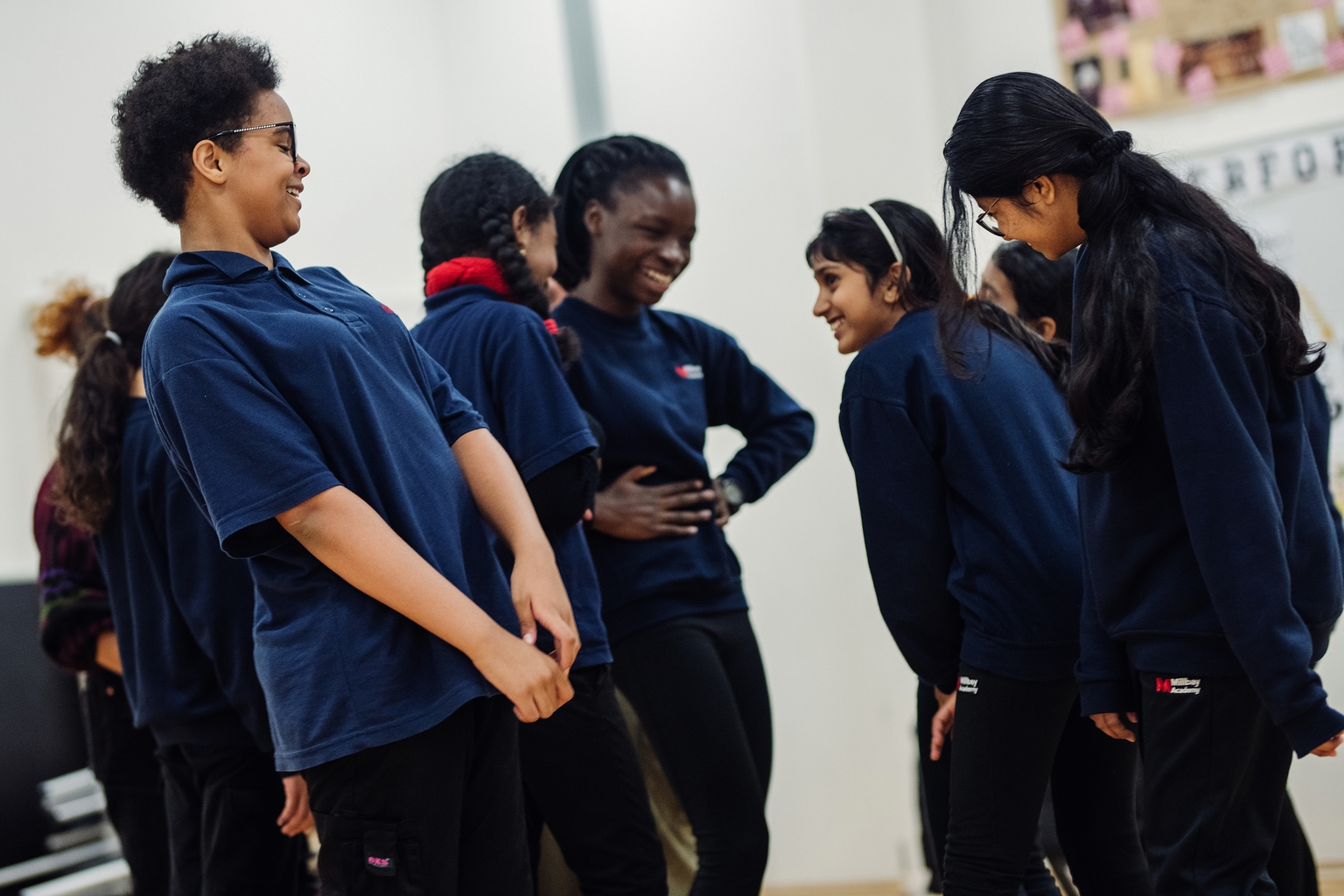
These relationships take time, resources and commitment. They need funding that allows organisations to build sustainable partnerships rather than simply deliver one-off projects. They need schools and youth theatres to have the capacity to share ideas, expertise and spaces. And they need a shared commitment to ensuring that opportunities are genuinely accessible to all young people.
If we want every young person to have the opportunity to discover their creativity and find their voice, then we need to give the people and organisations supporting them the resources to make it happen.
Beyond Face works to support arts education through a number of our strands. Our Youth Company operates in Exeter and Plymouth and gives young people from Global Majority backgrounds the opportunity to learn, create and explore with and from people who look like them. Providing young people with insight into exploring their creative voice, learning about making theatre and the various opportunities that exist within the creative sector. We have created productions such as Sitting in the Grey, Grow Up! And Picture This at the request of, inspired by and with young people, in some cases offering them the opportunity to perform on stages across the region. We also support schools in bringing sessions and workshops which support and expand on their curriculum.
Investing in schools and youth theatre isn't simply investing in the arts. It's investing in the kind of creative, connected and compassionate society we want them to grow up in.
